The allure of gambling: Understanding the initial attraction
Casinos are designed to captivate and engage players, creating an environment where the thrills of chance and uncertainty intertwine. The initial attraction to gambling often stems from the excitement and potential for monetary gain. Many individuals are drawn to the idea of striking it rich, propelled by stories of lucky winners and the thrill of risk-taking. This allure is amplified by the ambiance of casinos, which are meticulously crafted to heighten sensory experiences and create an immersive environment. For those looking to explore more about these dynamics, a valuable source can provide insights into cultural contexts.
Moreover, the social aspect of casino gaming can deepen this initial attraction. Players often enjoy the camaraderie found at gaming tables or slots, where interactions with dealers and fellow players can enhance the overall experience. This social dimension is a significant part of the appeal, as it fosters a sense of belonging and community among participants, motivating them to return for both the gaming and social interactions.
The role of cognitive biases in gambling behavior
Cognitive biases play a crucial role in shaping player behavior in casinos. Many gamblers fall victim to the illusion of control, believing they can influence outcomes through their actions, even in games governed entirely by chance. This bias can lead players to take greater risks, as they overestimate their ability to predict or sway results, potentially increasing their gambling frequency and spend.
Addiction to gambling often stems from these cognitive distortions, where players justify their losses and continue to chase wins, believing that a big payout is just around the corner. This can manifest in behaviors such as “near misses,” where a player loses but feels as if they were close to winning, prompting further play as they chase that feeling of potential success.
Emotional influences on gambling decisions
The emotional state of a player significantly impacts their gambling decisions. Stress, anxiety, and excitement can all alter a player’s approach to games of chance. For instance, individuals may gamble to escape emotional turmoil or as a means of compensating for other aspects of their lives that may be lacking. This escapism can lead to excessive gambling, as players seek refuge in the thrills of chance.
Conversely, positive emotions, like joy and excitement, can also drive gambling behavior, as players may wish to amplify their good fortune or celebrate an event through gaming. The emotional highs and lows associated with gambling can create a rollercoaster of experiences, further entrenching players in their gambling habits as they seek both the thrill of victory and the catharsis of loss.
The impact of environmental design on player behavior
Casinos invest heavily in environmental design to manipulate player behavior and prolong their stay. The layout of a casino is often labyrinthine, encouraging exploration and reducing the likelihood of players leaving once they enter. This psychological trick can lead to extended gaming sessions, as players become disoriented and engrossed in the offerings surrounding them.
Additionally, the sounds, lights, and scents of a casino are meticulously curated to create an enchanting atmosphere that stimulates engagement. The celebratory sounds of winnings and the visual allure of bright lights can tap into players’ emotions, making them more likely to spend additional time and money in pursuit of similar experiences. This deliberate design fosters a cycle of play that casinos capitalize on, ensuring that the environment keeps players engaged longer.
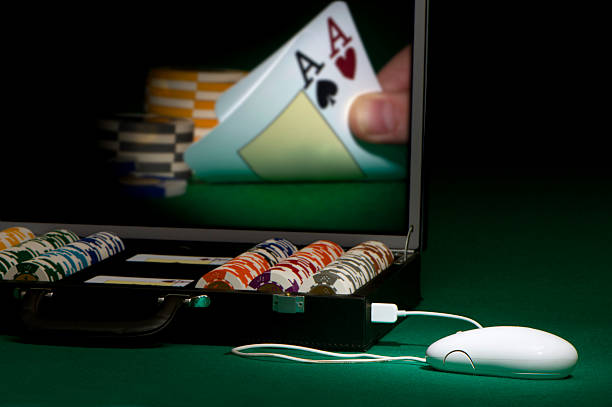
Connecting through community: The role of platforms like Nordic Bridges
As individuals explore the psychology behind gambling behavior, platforms like Nordic Bridges provide a valuable resource for understanding cultural perspectives surrounding gaming and gambling. By fostering connections within various communities, these platforms encourage dialogue about gambling behaviors and their psychological impacts, ultimately promoting informed decision-making.
Through cultural exchange and shared resources, members can engage with different perspectives on gaming, facilitating deeper understanding of both the risks and rewards associated with gambling. Such initiatives not only promote awareness but also create a supportive network for individuals who may seek to change their gambling habits or seek assistance. In this way, platforms like Nordic Bridges serve as essential components in navigating the complex world of gambling psychology and behavior.